Aircraft: Trivia Quiz On De-icing And Anti-icing Operations!


 Settings


 -
+
-
+
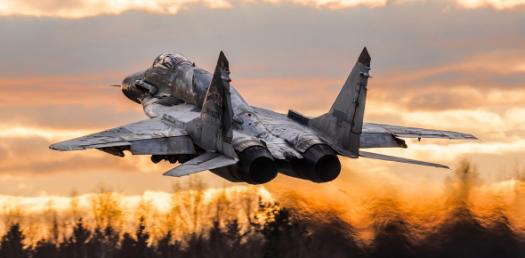
Below is a Trivia Quiz on De-icing and Anti-icing Operations for an aircraft! Aircraft go to great heights and the weather conditions are not the same as on the field and this is why they come equipped with an anti-icing feature which prevents the formation of ice and a de-icing feature that removes ice from the craft. Take the test and see how this happens.
- 1.The rain removal system consists of:
- A.
A permanent rain repellent coating on tile windshields and wipers.
- B.
A bottled solution located behind the Captain's seat.
- C.
Rain repellent switches located on the forward overhead panel.
- D.
All of the above.
- 2.Illumination of an amber COWL ANTI-ICE light indicates:
- A.
An overpressure condition.
- B.
An overtemperature or overpressure condition.
- C.
The related cowl anti-ice valve is open.
- D.
The cowl anti-ice valve position disagrees with the respective engine anti-ice switch position.
- 3.Refer to the thermal anti-ice (TAI) Upper Display Unit indications. A TAI indication shown at the top left side of each display indicates:
- A.
If amber; an over temperature condition exists in the duct downstream of the engine cowl anti-ice valve.
- B.
If green; the cowl anti-ice valve is closed and tile related engine anti-ice switch is OFF.
- C.
If green; the cowl anti-ice valve(s) is open.
- D.
All of the above.
- 4.The wing anti-ice system provides bleed air to all leading-edge slats.
- A.
True
- B.
False
- 5.When are the ENGINE ANTI-ICE switches turned ON if icing conditions exist on the ground?
- A.
When cleared onto the runway.
- B.
During taxi out.
- C.
After takeoff.
- D.
After engine start procedure.
- 6.Which window(s) are heated with the LEFT FWD WTNDOW HEAT switch ON?
- A.
L2, L3, L4, L5.
- B.
L1, L2, L3.
- C.
L1, L2, L3, L4, L5.
- D.
L1 only.
- 7.When do you use wing anti-ice?
- A.
On the ground when icing conditions exist or anticipated.
- B.
As a de-icer or anti- icer in flight.
- C.
Inflight, prior to ice accumulation.
- D.
All the above are correct.
- 8.In-flight, there are two methods recommended for operating the wing anti-ice system.
- A.
True
- B.
False
- 9.The R ELEV PITOT light is illuminated. What does this indicate?
- A.
The right elevator pitot probe is blocked.
- B.
Malfunction in the pilot probe system.
- C.
The right elevator pilot probe is not heated.
- D.
Both a and b are correct.
- 10.The windshield wipers maintain a clear area on the flight deck forward windows. Which of the following statements is correct?
- A.
Each wiper is operated by a separate control.
- B.
Windshield wipers are hydraulically operated and electrically controlled.
- C.
Windshield wipers may be operated on a dry windshield.
- D.
None of the above.
- 11.How are the alpha vanes heated?
- A.
By actuating the LEFT or RIGHT FWD window heat switch.
- B.
Whenever wing anti-ice is being used.
- C.
Whenever the alternate static ports are heated.
- D.
By actuating the A or B PROBE HEAT switches.
- 12.Which pilot probes and sensors are not heated?
- A.
Elevator pilot probes.
- B.
Static ports.
- C.
Captain's pitot probe.
- D.
First Officer's pitot probe.
- 13.What is the maximum airspeed limit with a WINDOW OVERHEAT?
- A.
250 KIAS.
- B.
280 KIAS.
- C.
250 KIAS below 10,000 feet.
- D.
280 KIAS below 10,000 feet.
- 14.The window heat PWR TEST:
- A.
Must be tested before each flight.
- B.
Test the window L1 and R1 only.
- C.
Verifies operation of the window heat system.
- D.
Can be used if all green window heat lights on.
 Back to top